
Permanent Deal Season Is Changing What Customers Care About
David Ham, VP, Communications and Corporate Strategy
Retailer-created promotional events are multiplying. ACSI data show they are also shifting what drives customer satisfaction.
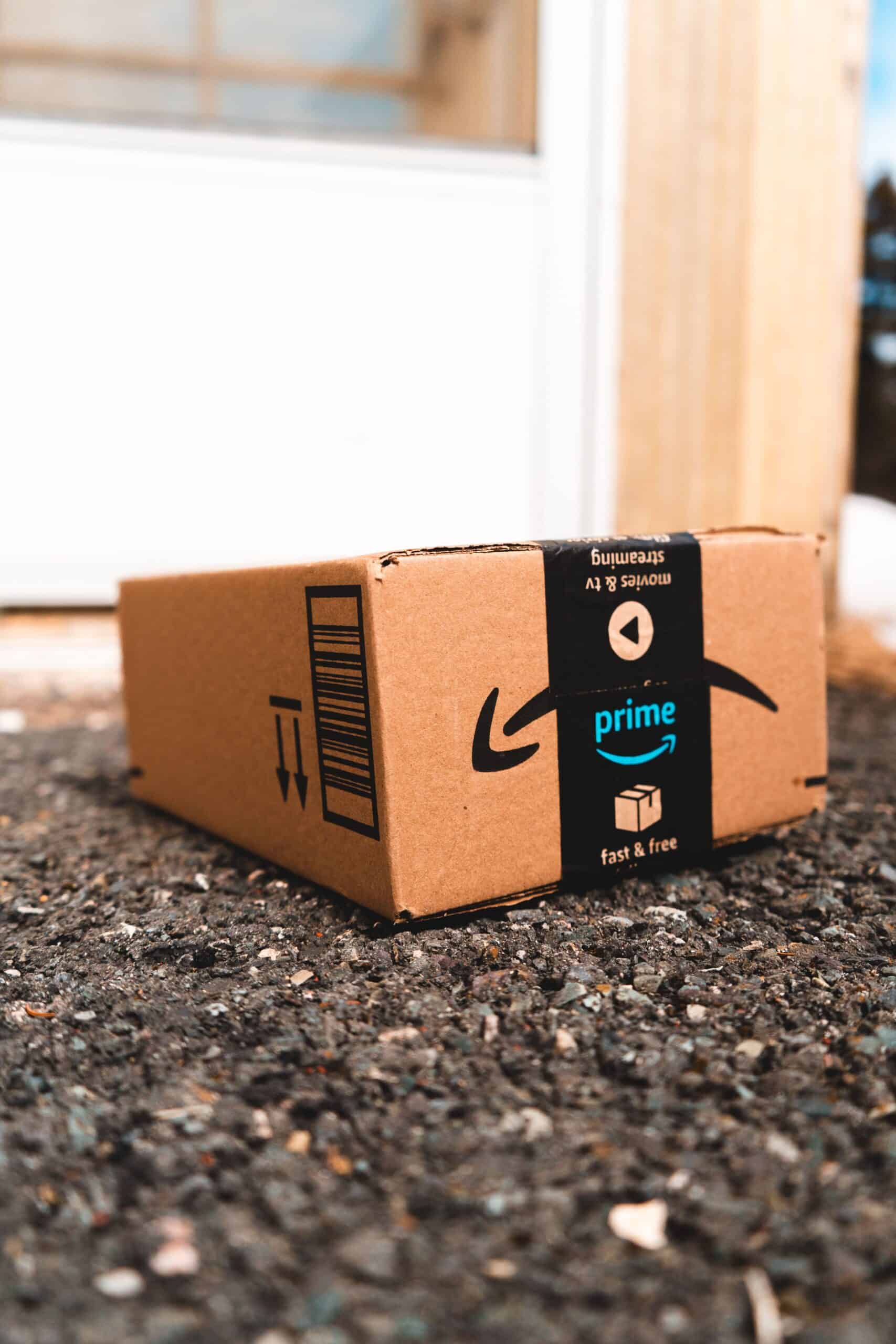
Amazon’s Prime Day ran June 23–26, its second consecutive four-day event. Adobe projected $26.3 billion in U.S. online spending across all retailers during that window, more than Black Friday and Cyber Monday 2025 put together.
Prime Day was not the only sale. Target’s Circle Deal Days matched those dates exactly. Walmart’s Deals event started a day earlier and ran through June 28. Best Buy’s Tech Fest covered the same window. Four major retailers ran overlapping promotions in the same week for the first time.
Shoppers noticed — and responded accordingly.
Numerator found that more than half of Prime Day shoppers compared prices across retailers before completing a purchase. Nearly two-thirds reported being highly satisfied with the deals available.
Under normal conditions, product quality matters roughly 50% more than price when online retail customers evaluate their satisfaction, according to the American Customer Satisfaction Index (ACSI®). Weeks like the one in late June change that equation.
When everyone competes at once
For most of the year, quality and website experience dominate the satisfaction picture for online retail. In Q4, the heaviest promotional quarter, the gap between quality’s influence and value’s influence narrows to about 20%. For Amazon, value overtakes quality entirely, becoming the slightly stronger driver of its ACSI score.
The cross-shopping data from June show why overlapping events accelerate that shift.
Forty-nine percent of Prime Day shoppers also engaged with Walmart Deals. Thirty-three percent shopped Target Circle Deal Days.
Walmart has been building toward this competitive position for years. Spending on Walmart.com during its 2025 Deals event grew 24% year over year — six times faster than Prime Day’s growth rate, according to Bloomberg Second Measure. The retailer moved its 2026 sale from July to June specifically to align with Prime Day and extended it to a full week.
Overlapping promotions on overlapping products push quality and service toward a mean. Price is what’s left.
A calendar with no off-season
Amazon created Prime Day in 2015 as a one-day midsummer promotion. A decade later, it spans four days and generated $24.1 billion in U.S. online spending in 2025 across all retailers.
The promotional calendar has expanded around it. Amazon added a fall sale. Target now runs Circle Deal Days in spring, summer, and fall. Walmart stages competing events twice a year. Each layer sits on top of the traditional retail peaks — back-to-school and the holiday season. The next sale is always on the horizon.
Consumers have responded by waiting.
McKinsey found that more than half of consumers now look for deals on every purchase, and roughly 49% of U.S. consumers plan to delay purchases over the coming months. Deloitte reports that 47% of consumers globally, including 35% of high-income households, now qualify as “value seekers” who routinely make deal-driven purchasing decisions. Accumulated inflation has deepened the pattern, making consumers more sensitive to value while the expanding event calendar gives them more reasons to hold off.
What holds satisfaction together
The ACSI Retail and Consumer Shipping Study 2026 described a consumer who is “spending differently.” Promotional events will keep multiplying. Retailers cannot sit them out. The question is what keeps satisfaction from eroding each time the calendar flips value into the lead.
Fulfillment speed and fee transparency matter more when competitors offer comparable prices on comparable products. Hidden costs and delayed deliveries undercut the value proposition that drew the customer in. Product pages and reviews give deal-driven shoppers confidence in what they’re buying. The ACSI Restaurant and Food Delivery Study 2025 documented the same dynamic in food service. Discount wars swept through quick-service restaurants, and execution emerged as the factor that held satisfaction together while price competition intensified.
Each new deal event expands the share of the year where value leads the satisfaction equation and shrinks the window where quality carries its full weight. A customer base conditioned to wait for the next deal is also one that grows harder to satisfy without one.
Want to understand how promotional events shape your customers’ satisfaction and where the opportunities are? Connect with the ACSI to explore more.