
A Fountain Drink as a Brand Signature: Beverage Customization Is Reshaping the QSR Experience
Sarah Jane Lefebvre, Marketing Content Lead
The quick-service restaurant beverage is largely a supporting player: a bundled add-on, a refillable fountain choice, or simply a predictable complement to the meal. Across the quick-service restaurant landscape, however, beverages are becoming platforms for personalization, discovery, social sharing, and affordable indulgence. As chains such as McDonald’s, Taco Bell, Sonic, and restaurants equipped with Coca-Cola Freestyle expand flavor combinations, specialty ingredients, and digitally enabled beverage choice, the bundled beverage is increasingly part of the brand interaction.
Among younger customers, personalization is becoming a mainstream consumer expectation, building a market where drinks are expressions of mood, identity, discovery, and social content. Keurig Dr Pepper reported that 58% of Gen Z/Alpha consumers say what they drink reflects who they are, 63% want beverages that entertain or inspire, and 63% say drink choices are influenced by social feeds and friends. In other words, beverage choice is less about refreshment alone and more about self-presentation, occasion, and control.
Beverages as Experience Platforms
From an American Customer Satisfaction Index (ACSI®) perspective, this is a customer experience trend: The ACSI model links expectations, quality, and value to satisfaction, which then influences complaint behavior and loyalty. Beverage customization touches all three experiential drivers at once. It can raise expectations by signaling innovation and choice. It can improve perceived quality when customers feel the drink fits their preference, taste, diet, mood, or occasion. And it can strengthen perceived value when a relatively low-cost beverage feels like a premium “little treat.”
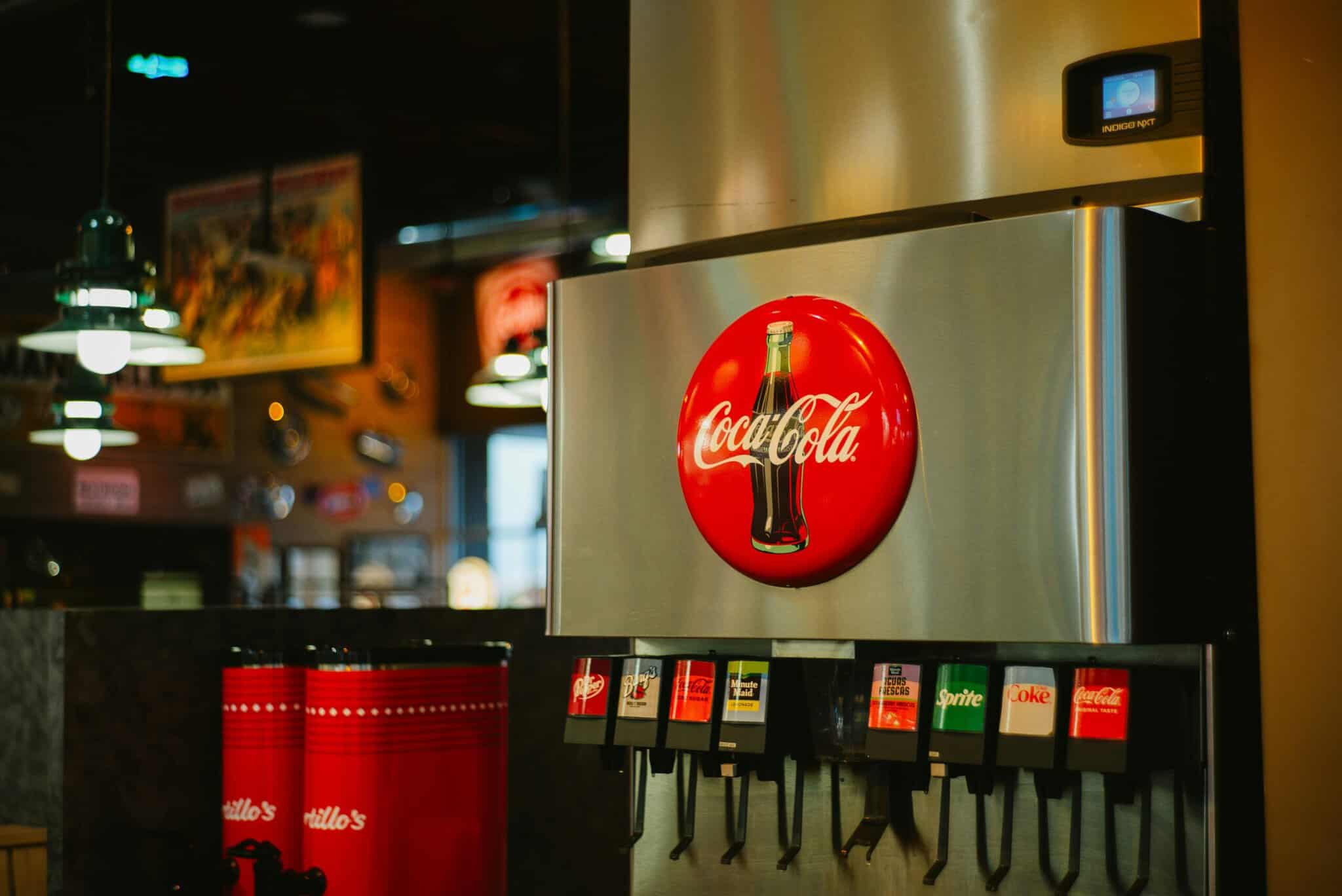
Beverages are a significant QSR growth platform, with Freestyle, McCafé specialty drinks, Live Más Café, Sonic, Swig, Starbucks, and Botrista as examples of operators and platforms using drinks to drive traffic, ticket, data, and engagement. McDonald’s, for example, is bringing specialty beverage cues such as refreshers, crafted sodas, cold foam, and popping boba into the QSR mainstream. Taco Bell is using beverages to create new visit occasions through Refrescas and Live Más Café. Coca-Cola Freestyle and its next-generation interface point to another dimension of the trend: connected dispensing systems that make discovery easier while generating real-time preference data.
But, as always, the satisfaction equation is more complicated than “more choice equals happier customers.” Customization creates a competitive advantage only when restaurants can deliver it consistently and conveniently. Otherwise, the same features that make a beverage feel personal can also introduce friction. More options can create decision fatigue. Crew-made drinks can add service steps. Digital menus can become cluttered. Ingredients can run out. A drink that tastes different by location, employee, or equipment condition can quickly turn novelty into disappointment.
That is why the context of the 2026 ACSI Restaurant and Food Delivery Study is so important. Data shows that quick-service restaurants remain stable at a score of 79 for the third consecutive year, but that this stability masks a more demanding consumer environment in which diners weigh consistency, reliability, and perceived value more heavily. These expectational and operational changes are occurring in a market where execution is the dividing line and consistency, reliability, and perceived value are increasingly critical to satisfaction.
This means the basics still matter in the world of beverage customization. ACSI, for example, measures satisfaction with order accuracy, loyalty program benefits, mobile app quality, speed of checkout and delivery, variety of beverages and beverage quality as experiential indicators, all of which affect the actual experience of enjoying a QSR beverage. In essence, beverages sit inside a larger operational ecosystem so a compelling drink program will not overcome poor order accuracy, slow throughput, weak app performance, or inconsistent quality. In fact, customization may make those fundamentals even more visible.
Where Fundamentals are Still Foundational
Beverages offer a relatively accessible way to add excitement, premiumization, and differentiation without requiring a full menu overhaul. Specialty drinks can support new dayparts, increase frequency, and create social-media-friendly experiences. They can also generate first-party data, especially when connected dispensers and apps allow customers to save preferred mixes, find available locations, and engage with limited-time offers. But every added syrup, foam, fruit inclusion, boba topping, flavor cartridge, or digital interface also adds a point of potential failure. And that creates tension, as the more bespoke the promise, the more important the system behind it becomes.
The most successful operators will therefore treat beverage customization as experience design, not simply product proliferation. That starts with choice architecture. Curated customization can be more satisfying than unlimited customization because it gives customers a sense of control without forcing them to build the experience from scratch. Signature recipes, popular combinations, seasonal drops, saved favorites, and “recommended for you” prompts can make personalization feel easy rather than overwhelming.
It also requires matching the beverage model to the service model. Self-serve Freestyle experiences shift choice to the customer and can create interaction without adding as much crew labor. Crew-made refreshers, dirty sodas, and café-style drinks can feel more premium, but they require training, station design, ingredient management, and speed discipline. Automated platforms such as Botrista illustrate why operators are looking for ways to expand premium beverage menus while protecting consistency, portion control, and throughput. Ultimately, the experience must reliably match the expectations set amongst customers by the brand. A customizable beverage that is slow, unavailable, confusing, or inconsistent does not necessarily feel higher quality. It may instead raise expectations that the restaurant cannot meet. When that happens, customization can erode perceived value rather than enhance it, particularly in a restaurant environment where customers are already questioning whether QSR experiences justify higher prices.
For younger consumers, the stakes may be even higher as Gen Z and younger Millennials are especially attuned to beverages as identity-coded and occasion-specific choices. It also cites evidence that younger consumers expect personalization from restaurants because they have grown up with curated digital experiences, yet personalization only improves satisfaction where it reduces friction. If the digital ordering experience is disconnected, the menu is crowded, or the customer cannot easily repeat a favorite drink, personalization is a burden rather than a benefit.
Unlimited Choice isn’t the Competitive Advantage
Beverage innovation is a useful test case for the modern QSR value proposition. The traditional QSR promise was speed, convenience, consistency, and price accessibility, but beverage customization adds a new layer of emotional relevance. The customer is not just choosing a cola, tea, refresher, slush, or coffee. They are choosing something that reflects a mood, a craving, a social cue, or a small moment of indulgence, which can make the brand feel more personal. That only occurs if the experience remains easy and dependable.
Customization can support satisfaction by strengthening perceived quality, perceived value, and expectations. It can create new loyalty loops through apps, saved favorites, and personalized promotions, help brands compete for snack and afternoon occasions beyond traditional meal periods, and make QSRs feel more contemporary to younger consumers who expect brands to recognize their preferences. But the advantage is conditional: Beverage customization only becomes satisfying when the customer quickly understands the options, receives the correct drink, trusts the quality, feels the price is justified, and repeats the experience with minimal effort. Successful customization programs will translate that personalization into a reliable, convenient, and value-enhancing experience.
For the ACSI, that makes beverage customization a powerful lens for the future of QSR satisfaction in 2027 and beyond. It sits at the intersection of what consumers increasingly want and what restaurants must still execute well: choice and consistency, novelty and speed, self-expression and reliability. The next phase of QSR beverage competition will be in who can make personalization feel the most effortless. In the end, the question for QSR operators is which customization choices will improve perceived quality and value without weakening reliability, speed, and ease. That is where beverage innovation moves beyond menu updates into long-term satisfaction strategy.